
The Best Brain Vitamins for Studying: 5 “Nootropics” to Ace Your Exams
Studying is an endurance sport. Whether you are prepping for the MCATs, the Bar Exam, or undergraduate finals week, the demands on your brain are extraordinary. You aren’t just reading passive information; you are encoding new memories, synthesizing complex abstract concepts, and constantly battling the urge to procrastinate. This process requires a massive amount of metabolic energy.
The brain is a greedy organ. Despite accounting for only 2% of your total body weight, it consumes roughly 20% of your daily calorie intake. During intense intellectual work—like studying for 8 hours a day—that energy consumption spikes significantly. Your neurons are firing rapidly, consuming glucose and oxygen at an accelerated rate. When this fuel runs low, or when the neurotransmitters that facilitate these signals become depleted, you experience “cognitive bonking.” You stare at the page, but the words don’t register. This is study fatigue.
Many students try to combat this fatigue with sugary energy drinks or excessive coffee. While these provide a temporary spike in alertness, they almost always lead to a crash, jitteriness, and disrupted sleep—ultimately doing more harm than good. A crash in the middle of a study session can ruin the rest of your day, and poor sleep prevents the memory consolidation you need to actually retain what you learned.
However, there is a better way. By utilizing specific vitamins and “nootropics” (compounds that enhance cognition), you can optimize your brain’s hardware. This isn’t about “cheating” or looking for a magic pill; it’s about providing your biology with the raw materials it needs to perform under pressure. You can improve neuroplasticity (the ability to learn new things), enhance cerebral blood flow (oxygen delivery), and regulate neurotransmitters like dopamine (motivation) and acetylcholine (memory formation).
In this guide, we dive deep into the 5 best supplements specifically tailored for the student brain. These choices are backed by clinical research and are selected for their safety and efficacy. They act as force multipliers for your effort, ensuring that the hours you spend studying actually result in retained knowledge.
Why Regular Nutrition Isn’t Enough for Serious Students
Before diving into the specific supplements, it’s worth addressing a common objection: “Can’t I just eat healthy and get everything I need?” The honest answer, especially for students under heavy cognitive demand, is: probably not—at least not consistently. Here’s why.
The Nutritional Reality of Student Life
The typical student diet is a nutritional minefield. Dormitory food, rushed meal schedules, reliance on delivery apps, and the financial constraints of being a student all conspire to create a diet that is high in ultra-processed carbohydrates and omega-6 vegetable oils, but severely lacking in the omega-3 fatty acids, B vitamins, and micronutrients your brain craves most during periods of intense learning.
Even for students who eat reasonably well, the sheer cognitive load of academic study creates a demand for certain nutrients that exceeds what a normal diet can supply. Acetylcholine, the primary neurotransmitter for learning and memory formation, is built from choline—a nutrient found in eggs and liver. But when you’re studying for 8 hours straight, consuming choline-rich food with every meal simply isn’t practical or sufficient to keep up with neurological demand.
Soil Depletion and Modern Food Quality
Modern industrial farming has significantly reduced the micronutrient content of common foods compared to just 50 years ago. Magnesium, zinc, and B-vitamin concentrations in standard produce have declined due to soil depletion and mass-scale growing practices. This means that even if you are eating a “balanced diet,” you may not be getting the levels of brain-essential nutrients your grandparents got from equivalent foods.
Cognitive Demand Creates Nutritional Deficits
Extended, intensive intellectual work also burns through specific neurotransmitter precursors at an accelerated rate. During a 6-hour study session, your catecholamine reserves (dopamine, norepinephrine) and acetylcholine stores can become genuinely depleted. This is not hypothetical—it is measurable through the subjective experience of mental exhaustion and decreased recall that most students feel by hour four or five. Strategic supplementation addresses these targeted deficits in real time.
The Supplement Mindset
Think of nootropics and brain vitamins not as shortcuts, but as precision maintenance for your most important tool. You wouldn’t run a high-performance engine on low-quality fuel—don’t run a high-performance brain on depleted reserves.
How the Studying Brain Works: A Quick Neuroscience Primer
To appreciate why specific supplements work for studying, it helps to understand the basic neuroscience of learning and memory. This is not just theory—it directly informs the logic behind every supplement in this guide.
Encoding: The Initial Learning Phase
When you read a textbook or listen to a lecture, your brain enters the encoding phase. Information travels as electrical signals through networks of neurons. The connections between these neurons—called synapses—are strengthened each time a signal passes through them. This is called Long-Term Potentiation (LTP), and it is the physical mechanism of learning. For LTP to occur efficiently, your synapses need adequate levels of acetylcholine (the “learning neurotransmitter”) and NMDA receptor activity.
Consolidation: The Sleep Phase
Encoding creates short-term, fragile memories in the hippocampus. These memories are like a rough draft. During sleep—particularly deep slow-wave sleep and REM sleep—the brain undergoes memory consolidation: transferring important information from the hippocampus to the cortex for long-term storage. This is why pulling an all-nighter before an exam is spectacularly counterproductive. You might cram facts into short-term memory, but without consolidation sleep, they won’t stick for the test the next morning.
Retrieval: The Recall Phase
Retrieval is the act of pulling stored information back into working memory when you need it—like during an exam. Retrieval is heavily influenced by the state of your working memory (your brain’s RAM), which is primarily managed by dopamine and norepinephrine signaling in the prefrontal cortex. Stress, anxiety, and fatigue all impair retrieval by disrupting this signaling. This is why students who “knew the material” can still blank during a test—the retrieval mechanism is compromised, not the storage.
Neuroplasticity: The Meta-Skill
Neuroplasticity is your brain’s ability to reorganize itself by forming new neural connections. It is the most important variable in long-term intellectual development. Students with high neuroplasticity learn new concepts more quickly, adapt to novel problems more flexibly, and retain information across longer periods. Key regulators of neuroplasticity include BDNF (Brain-Derived Neurotrophic Factor), which can be boosted through exercise, Omega-3 supplementation, and sleep.
The Three Pillars of Academic Performance
Every supplement in this guide targets one of three core systems: Memory Encoding (building the knowledge), Stress Resilience (protecting cognitive function under pressure), and Neural Energy (sustaining focus and stamina). Understanding which pillar each supplement targets allows you to stack them strategically.
1. Bacopa Monnieri (The Memory Keeper)
If there is one supplement that belongs in every serious student’s arsenal, it is Bacopa Monnieri. This ancient Ayurvedic herb has been used for centuries to enhance memory, but modern science has validated its power in rigorous double-blind, placebo-controlled studies. Unlike caffeine, which gives you a quick, temporary buzz, Bacopa is a long-term investment in your ability to retain facts and recall them later.
The Biological Mechanism: Dendritic Branching
Bacopa works on a structural level. It stimulates dendritic branching and synaptic communication. Imagine your brain cells (neurons) as trees. The dendrites are the branches that reach out to touch other trees, passing signals (information) between them. The more branches you have, and the healthier they are, the faster and more efficiently your brain can process and store information. Bacopa effectively acts as fertilizer for these neural trees.
Specifically, the active compounds in Bacopa, known as bacosides, enhance the efficiency of transmission at the nerve impulse junctions. They also promote the production of Tryptophan Hydroxylase, an enzyme crucial for serotonin production, and help regulate dopamine. This dual action supports both memory formation and a stable mood, which is vital when exam anxiety begins to creep in.
Evidence in Students
Research specifically focusing on medical students—a group under immense cognitive load—has shown that Bacopa supplementation significantly improved recall of new information and reduced anxiety levels after 6 weeks of use. It helps specifically with “spatial working memory” and the retention of text-based information, making it ideal for subjects that require heavy reading and memorization like history, law, or biology.
A significant double-blind, randomized study published in Neuropsychopharmacology examined healthy adults taking 300mg of standardized Bacopa daily for 12 weeks. The results showed significant improvements in the rate of learning, memory consolidation, and a reduction in forgetting. Critically, word recall—an exact simulation of exam performance—improved markedly compared to the placebo group.
Acetylcholine Enhancement
Bacopa also inhibits acetylcholinesterase, the enzyme responsible for breaking down acetylcholine in the synapse. By slowing this breakdown, Bacopa essentially increases the effective “dose” of acetylcholine your neurons receive. Since acetylcholine is the primary neurotransmitter for conscious learning and the formation of new memories, higher levels directly translate to better encoding of study material.
Anxiolytic Properties (Stress Reduction)
Studying is stressful. Cortisol (the stress hormone) is the enemy of memory; high cortisol levels physically shrink the hippocampus, the part of the brain responsible for learning. Bacopa is an “adaptogen,” meaning it helps the body resist physical and chemical stress. By modulating the stress response, it allows you to study with a calm, clear focus rather than a frantic, panic-induced haze.
Best Subjects for Bacopa Users
Bacopa is particularly well-suited for disciplines that rely heavily on rote memorization and textual recall: medicine (anatomy, pharmacology), law (case studies, statutes), history, and language learning. Students studying these subjects will likely see the most pronounced results. For subjects requiring creative problem-solving and spatial reasoning (engineering, architecture, art), the combination of Bacopa with Omega-3s for neuroplasticity enhancement tends to work better.
Patience is Key
Bacopa is not an overnight fix. It requires consistency to build up in your system. You generally need to take it with a fat source (like a meal with olive oil or eggs) daily for at least 4-6 weeks to notice the full “memory upgrade.” Do not expect instant results, but expect powerful long-term retention improvements.
✓ Pros
- Well-studied in clinical trials
- Builds memory retention long-term
- Reduces anxiety and cortisol
- Enhances acetylcholine availability
- Safe for daily long-term use
✗ Cons
- Takes 4–6 weeks for full effect
- Must be taken with fat for absorption
- May cause mild GI discomfort on empty stomach
- Not suitable for instant pre-exam use
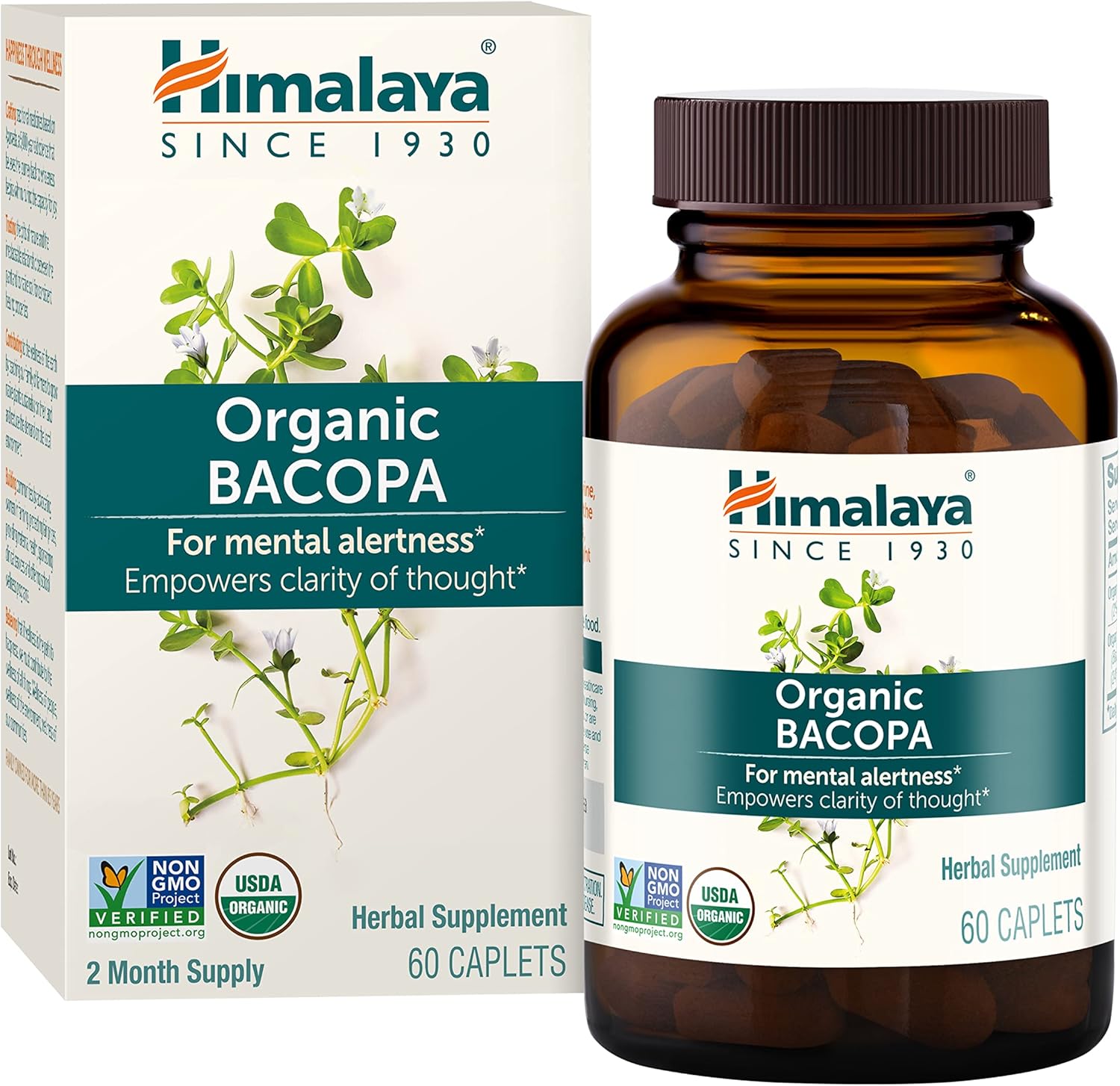
Himalaya Organic Bacopa Monnieri
A trusted, USDA organic single-ingredient supplement. It is clinically studied for memory support and free from additives or binders. Taking one caplet a day can help fortify your mind for the semester ahead.
Check Price on Amazon2. Omega-3 Fatty Acids (Structural Support)
Your brain is approximately 60% fat. It is not just a blob of tissue; it is a complex electrical grid insulated by fatty membranes. Omega-3 fatty acids, particularly DHA (docosahexaenoic acid), are the physical building blocks of these membranes. Without enough DHA, your brain cells become rigid and inflexible, making it harder for neurotransmitters to bind to receptors and pass messages efficiently.
DHA: The Brain’s Primary Structural Fat
DHA comprises a remarkable 97% of the Omega-3 fatty acids in the brain and 93% of the Omega-3 content in the retina. It concentrates most heavily in the grey matter—the part of the brain responsible for muscle control, perception, memory, emotions, speech, decision making, and self-control. A brain rich in DHA is literally physically different from a DHA-depleted brain: it has more surface area, greater volume, and more flexible, fluid cell membranes that allow faster signal transmission.
Memory Consolidation and Sleep
Studying is the act of learning; sleep is the act of remembering. This process is called memory consolidation, where short-term memories are converted into long-term storage in the cortex. Omega-3s play a vital role in this maintenance phase. High levels of DHA are associated with larger brain volume and better non-verbal reasoning, which is vital for math, physics, and logic-based subjects. If your diet relies heavily on cafeteria food, fast food, or instant noodles (which are high in inflammatory Omega-6s), you are likely deficient in these essential brain fats.
EPA for Mood and Anti-Inflammation
While DHA handles structural duties, EPA (eicosapentaenoic acid) serves a critical anti-inflammatory function. Chronic low-grade neuroinflammation is increasingly recognized as a major driver of depression, anxiety, and cognitive decline in young adults. Emerging research connects high Omega-6 to Omega-3 ratios in the modern diet (often 20:1 rather than the optimal 4:1) to increased inflammatory markers in the brain, worsened mood regulation, and impaired learning. EPA directly counteracts this by inhibiting the enzyme COX-2 and reducing the production of pro-inflammatory cytokines.
Neuroinflammation and Brain Fog
Stress, lack of sleep, and poor diet cause inflammation in the brain (neuroinflammation). This manifests as “brain fog”—that feeling where you read a paragraph five times and still don’t understand it. Omega-3s, specifically EPA, are potent anti-inflammatories. By reducing this inflammatory load, they clear the neural pathways, allowing you to focus for longer periods without feeling that heavy mental fatigue.
BDNF Production
Brain-Derived Neurotrophic Factor (BDNF) is often described as “Miracle-Gro for the brain.” It is a protein that encourages the growth of new neurons and synapses. Omega-3 supplementation has been shown to normalize BDNF levels and protect against the reduction in plasticity that comes with stress and sleep deprivation. For a student pulling late nights, this protection is crucial to prevent cognitive decline as the semester wears on.
Choosing the Right Fish Oil
Not all fish oils are created equal. The critical distinctions to look for are: triglyceride form vs. ethyl ester form. Research demonstrates that the triglyceride form (naturally occurring) is absorbed up to 70% more efficiently than the synthetic ethyl ester form found in many cheap fish oil supplements. Additionally, look for products that are third-party tested for heavy metals (mercury, lead) and PCBs—contaminants that can concentrate in lower-quality fish oils and are, ironically, neurotoxic.

Nordic Naturals Ultimate Omega
The gold standard for fish oil. High-intensity Omega-3s in the superior triglyceride form for maximal absorption. Essential for maintaining the hardware of your brain during intense study periods.
Check Price on Amazon3. L-Tyrosine (The Exam Stress Buster)
Have you ever blanked out during a test? Or felt so overwhelmed by a deadline that you just stared at the wall, unable to type a single word? That is your brain running out of fuel—specifically dopamine and norepinephrine. These neurotransmitters regulate motivation, focus, and the “fight or flight” response. Under extreme stress (like finals week or a cold exam hall), your brain burns through them rapidly.
The Catecholamine Pathway
L-Tyrosine is an amino acid that serves as a direct precursor to these critical chemicals. The biological pathway is simple: L-Tyrosine converts to L-DOPA, which converts to Dopamine, which converts to Norepinephrine. When you are stressed, this production line cannot keep up with demand, leading to cognitive deficits. By supplementing with L-Tyrosine, you ensure the raw materials are available to keep the production line moving.
Preserving Working Memory Under Stress
Tyrosine is unique because it doesn’t necessarily make you “smarter” when you are relaxed. Instead, studies (including military research) show it preserves cognitive function specifically during acute stress. It prevents your working memory (your brain’s RAM) from degrading when you are sleep-deprived, cold, or under high pressure. It prevents “cognitive rigidity”—the inability to switch tasks or think creatively when you are anxious.
Research on Cognitive Multitasking
A key study published in Pharmacology, Biochemistry and Behavior gave participants either L-Tyrosine or a placebo before subjecting them to demanding dual-task cognitive challenges—exactly the type of multitasking required when managing complex exam questions. The L-Tyrosine group showed significantly better performance on working memory tasks and task-switching speed. They also reported lower perceived stress levels. The compound didn’t make the easy tasks easier—it preserved performance specifically where the cognitive challenge was greatest.
Sleep Deprivation Recovery
For students who have inevitably lost sleep during exam season, L-Tyrosine offers a specific and important benefit: it partially counteracts the cognitive impairment caused by sleep deprivation. Research conducted with military personnel showed that a single dose of L-Tyrosine reversed the dopamine and norepinephrine depletion caused by sleep loss, restoring working memory and vigilance for several hours. This makes it a particularly valuable tool for exam mornings after a difficult night.
The “Crunch Time” Supplement
Think of L-Tyrosine as your “crunch time” insurance policy. It is best used acutely rather than daily. Take it roughly 30-60 minutes before a stressful event—like a difficult exam, a thesis defense, or a marathon 4-hour study session where you know you’ll be pushing your limits. It helps you maintain a cool, collected head when the pressure is on, preventing that panic-induced mental freeze.
Important Interaction Warning
L-Tyrosine should NOT be taken alongside MAOIs (monoamine oxidase inhibitors) or thyroid medications without consulting a physician. Because it is a precursor to thyroid hormones, those with thyroid conditions should exercise caution and seek medical guidance before use.

Thorne L-Tyrosine
Thorne provides the highest quality, cleanest L-Tyrosine on the market. Used by athletes and high-performers to maintain cognitive edge under stress. 500mg per capsule.
Check Price on Amazon4. B-Complex Vitamins (Mental Endurance)
Your brain demands a constant, heavy supply of energy to function. When you are studying, that energy demand skyrockets. B-Vitamins are the metabolic gears that convert the food you eat (glucose) into ATP (energy) for your brain cells. Without them, your mental engine stalls, leading to slow processing speeds and fatigue.
The Neurotransmitter Factories
Beyond simple energy production via the Krebs Cycle, B-Vitamins act as co-factors in the synthesis of major brain chemicals:
- B1 (Thiamine): Essential for glucose metabolism in neurons; deficiency leads to poor concentration and reduced cognitive processing speed.
- B3 (Niacin): A direct precursor to NAD+, a critical coenzyme involved in cellular energy production and DNA repair in neurons.
- B5 (Pantothenic Acid): Required to synthesize acetylcholine, the neurotransmitter directly associated with memory formation, attention, and learning speed.
- B6 (Pyridoxine): Essential for synthesizing serotonin (mood stability), GABA (calmness and anxiety reduction), and dopamine (motivation).
- B9 (Folate/5-MTHF): Required for the methylation cycle, DNA synthesis, and the production of myelin. Deficiency in young adults is more common than expected and is linked to cognitive slowing.
- B12 (Cobalamin): Vital for the maintenance and repair of the myelin sheath—the insulating layer around nerve fibers that dramatically speeds up electrical signal transmission. Low B12 is one of the most common, reversible causes of cognitive impairment in young adults.
Homocysteine and Brain Shrinkage
A crucial function of B6, B12, and Folate (B9) is the regulation of homocysteine, a toxic amino acid that accumulates when the methylation cycle is impaired. High levels of homocysteine are strongly linked to brain atrophy (shrinkage), white matter lesions, and cognitive decline. Students with poor diets often have elevated homocysteine levels, which impairs blood flow to the brain and creates a persistent “foggy” feeling that no amount of caffeine can clear. A high-quality B-Complex containing methylated forms (methylcobalamin, 5-MTHF) lowers homocysteine, protecting your brain tissue.
The MTHFR Gene Mutation Factor
Approximately 40-60% of the population carries a variant in the MTHFR gene—a gene responsible for converting folic acid into its active form (5-MTHF). People with this common variant cannot properly utilize folic acid from standard supplements or fortified foods. For these individuals, standard B-vitamin supplements are largely wasted. The solution is specifically to use methylated B-vitamins: methylcobalamin (instead of cyanocobalamin) and 5-MTHF (instead of folic acid). Many students unknowingly carry this gene variant and are chronically undermethylated, directly impacting their cognitive performance.
Avoiding the “Afternoon Slump”
If you find yourself unable to focus after 2 PM, or if you feel a general “brain fog” that caffeine can’t fix, a B-Complex deficiency might be the culprit. It isn’t a stimulant, but it provides the “fuel in the tank.” Supplementing with a methylated B-Complex ensures your brain has a steady supply of energy substrates to keep going through long lectures and late-night reading without hitting a metabolic wall.
Stress Depletes B-Vitamins Rapidly
Psychological and physiological stress dramatically increases the consumption of B-vitamins—particularly B5 and B6, which are heavily involved in the adrenal stress response. During exam season, when cortisol is chronically elevated, your B-vitamin reserves are being depleted faster than at any other time of year. This creates a vicious cycle: stress depletes B-vitamins, and B-vitamin depletion impairs the very brain functions you need to manage stress effectively. Supplementing during high-stress academic periods directly breaks this cycle.

Life Extension BioActive Complete B-Complex
Contains the biologically active forms of B vitamins (like methylcobalamin and 5-MTHF) ensuring maximum absorption for brain energy, even if you have the MTHFR gene mutation.
Check Price on Amazon5. The “Flow State” Stack: Caffeine + L-Theanine
This is the most famous “stack” in the world of nootropics because it is simple, safe, and works immediately. We all know caffeine wakes you up by blocking adenosine receptors (the chemicals that make you feel tired). But caffeine has a dark side: it acts as a vasoconstrictor (reducing blood flow to the brain slightly) and can cause jitters, anxiety, and scattered thoughts—the exact opposite of what you need for deep studying.
Enter L-Theanine
L-Theanine is an amino acid found naturally in green tea. Unlike caffeine, which is a stimulant, Theanine is a relaxant, but it does not cause drowsiness. It crosses the blood-brain barrier and increases the production of GABA and dopamine. Crucially, it promotes the generation of Alpha Brain Waves (8-14 Hz). Alpha waves are associated with a state of “wakeful relaxation,” creativity, and the coveted “flow state” where work feels effortless.
The Perfect Synergy
When you combine L-Theanine with Caffeine (usually in a 2:1 ratio, e.g., 200mg Theanine to 100mg Caffeine), they cancel out each other’s negative side effects while amplifying the positives. Theanine smooths out the rough edges of the caffeine buzz. It prevents the blood pressure spike, the jittery hands, and the racing heart. Meanwhile, the caffeine prevents the Theanine from making you too relaxed.
The Neuroscience of the Stack
Mechanistically, caffeine’s adenosine blockade creates alertness, while L-Theanine’s enhancement of GABA and alpha wave activity creates relaxed attentiveness. The combination has been studied in EEG trials, which measure real-time brain electrical activity. These trials show that the combination produces a distinctive pattern of sustained alpha wave activity in the prefrontal cortex—the exact brain state associated with focused creative work and the ability to hold multiple concepts in working memory simultaneously. This is measurably different from either compound taken alone.
Laser Focus Without the Crash
The result is a clean, calm, laser-like focus. You get the alertness of the coffee without the anxiety. This combination allows you to sit down, open the textbook, and zone in for 90 minutes straight without the urge to check your phone. It mitigates the caffeine crash, helping you sustain energy levels throughout a long study session. It is the ultimate tool for overcoming procrastination and starting a difficult task.
Dosing and Timing Guidelines
The standard studied dose is 200mg L-Theanine paired with 100mg caffeine. For context, a standard cup of coffee contains approximately 80-100mg of caffeine, so one cup plus an L-Theanine capsule hits the target ratio perfectly. Effects begin within 30-45 minutes and last 4-6 hours. Avoid dosing after 2 PM to prevent sleep disruption, as caffeine has a 5-6 hour half-life.

Sports Research L-Theanine
Double strength (200mg) formulated with coconut oil for absorption. Take one of these with your morning coffee to unlock the “Smart Caffeine” effect instantly.
Check Price on AmazonBonus: Honorable Mentions Worth Knowing About
The five supplements above represent the highest evidence-to-safety ratio for student use. But the nootropic landscape is broader, and several other compounds merit attention for specific use cases. These “honorable mentions” are well-supported by research and are increasingly popular among high-performing students who want to explore beyond the core five.
Lion’s Mane Mushroom (Hericium erinaceus)
Lion’s Mane is a medicinal mushroom that has earned significant scientific attention for its remarkable ability to stimulate the synthesis of Nerve Growth Factor (NGF). NGF is a protein that regulates the survival, maintenance, and growth of neurons—particularly in the cholinergic system responsible for memory and attention. Animal studies showed that Lion’s Mane supplementation led to new neuronal growth in the hippocampus. Human studies in older adults showed improvements in cognitive function scores that reversed after supplementation stopped, indicating a real, compounds-dependent effect. For students, Lion’s Mane works synergistically with Bacopa: while Bacopa enhances synaptic communication, Lion’s Mane promotes the structural growth of new neural connections. Together, they represent a powerful combination for building long-term memory capacity.
Phosphatidylserine (PS)
Phosphatidylserine is a phospholipid—a type of fat—that forms a critical component of neuronal cell membranes. It is highly concentrated in brain tissue and plays a key role in cell-to-cell communication and the proper functioning of receptors. PS has strong evidence for reducing cognitive decline under stress, particularly cortisol-mediated impairment of memory and attention. Studies show it significantly improves memory, learning ability, concentration, and word-recall speed. Interestingly, the FDA has approved a “qualified health claim” for PS, stating that it “may reduce the risk of cognitive dysfunction.” This level of regulatory recognition is rare for supplements and speaks to the strength of the evidence base.
Ashwagandha (Withania somnifera)
Ashwagandha is a root extract from Ayurvedic medicine that functions as a powerful adaptogen, regulating the hypothalamic-pituitary-adrenal (HPA) axis—the system that controls your cortisol response to stress. Clinical trials in chronically stressed adults show ashwagandha supplementation reduces cortisol levels by up to 28%, improves sleep quality, and reduces anxiety scores significantly. For students whose primary cognitive obstacle is anxiety and stress-induced memory impairment, ashwagandha addresses the root cause (elevated cortisol) rather than just the symptoms. It pairs beautifully with L-Tyrosine: ashwagandha calms the HPA axis and reduces cortisol, while L-Tyrosine replenishes the catecholamines that stress depletes.
Magnesium L-Threonate
Magnesium is the fourth most abundant mineral in the human body and an essential co-factor in over 300 enzymatic reactions. Critically, it acts as the gatekeeper of NMDA receptors—the receptors responsible for Long-Term Potentiation (LTP), which is the molecular mechanism of learning and memory. When magnesium levels are low, NMDA receptor activity becomes dysregulated, impairing the very process of memory formation. Magnesium L-Threonate is a unique form of magnesium that was specifically developed at MIT to cross the blood-brain barrier efficiently. Unlike magnesium oxide or citrate (which primarily affect the gut and muscles), L-Threonate actually raises cerebrospinal fluid magnesium levels, directly enhancing NMDA receptor function and LTP. Studies show it improves both short-term and long-term memory.
Citicoline (CDP-Choline)
Citicoline is a highly bioavailable form of choline that provides two key cognitive benefits simultaneously: it is a precursor to phosphatidylcholine (a structural component of neuronal membranes) and it dramatically boosts acetylcholine synthesis. Because it provides both choline for neurotransmitter production AND the building blocks for repairing and maintaining neuronal membranes, it is arguably one of the most versatile single nootropics available. Research demonstrates improvements in memory, attention, concentration, and reaction time. It is particularly effective for students engaged in heavy reading, as it speeds up information processing and reduces the time needed to encode new knowledge.
| Supplement | Primary Benefit | Onset | Daily Use? | Best For |
|---|---|---|---|---|
| Bacopa Monnieri | Memory retention | 4–6 weeks | Yes | Memorization-heavy subjects |
| Omega-3 (DHA/EPA) | Neural structure & BDNF | 2–4 weeks | Yes | All students, especially STEM |
| L-Tyrosine | Stress resilience | 60 mins | Cycle | Exams, high-pressure events |
| B-Complex | Energy metabolism | Days | Yes | All students, especially vegans |
| L-Theanine + Caffeine | Focused alertness | 30–45 mins | Cycle | Deep work sessions |
| Lion’s Mane | Neurogenesis (NGF) | 4–8 weeks | Yes | Creativity, concept learning |
| Phosphatidylserine | Memory under stress | 2–3 weeks | Yes | Exam season support |
| Ashwagandha | Cortisol reduction | 2–4 weeks | Yes | Chronically stressed students |
| Magnesium L-Threonate | LTP enhancement | 3–6 weeks | Yes | Memory formation optimization |
| Citicoline | Acetylcholine boost | 1–2 weeks | Yes | Reading speed and focus |
How to Stack These Supplements for Maximum Synergy
The real power of nootropics comes not from taking individual compounds in isolation, but from understanding how they complement each other’s mechanisms and create synergistic effects. This is called “stacking”—deliberately combining supplements that work on different pathways to produce an effect greater than the sum of their parts.
Stack 1: The Foundation Stack (Everyday Students)
For the student who wants a simple, safe, and highly effective base routine, this three-supplement stack covers the three most critical bases: neural fuel, neural structure, and mental energy.
- Morning: B-Complex (with breakfast) + Omega-3 (with breakfast)
- Evening: Bacopa Monnieri (with dinner)
This stack provides consistent energy substrate availability throughout the day, builds the structural integrity of neural membranes over weeks, and steadily upgrades long-term memory encoding. The full effect builds over 4–8 weeks. This is the stack for the consistent, methodical student.
Stack 2: The Focus Stack (Deep Work Days)
For days when you need to sit down for a long, concentrated work session, add the performance layer to the foundation stack.
- Morning: B-Complex + Omega-3 (with breakfast)
- Study start: L-Theanine 200mg + Coffee (100mg caffeine)
- Evening: Bacopa (with dinner)
The Caffeine + L-Theanine combination on top of your B-Complex foundation produces a noticeably cleaner, calmer alertness than caffeine alone. This stack is ideal for creative writing, essay work, problem sets, and concept review.
Stack 3: The Exam Stack (High-Pressure Events)
This is your acute performance stack for the day of an important exam or presentation.
- Morning (breakfast): B-Complex + Omega-3
- 45 mins before exam: L-Tyrosine 500mg + L-Theanine 200mg + Coffee
- Evening: Bacopa (with dinner) + Ashwagandha (evening, if stress is high)
The L-Tyrosine pre-loads your dopamine and norepinephrine supply; the L-Theanine ensures the caffeine delivers focus without anxiety; and the B-Complex provides the metabolic substrate for sustained cognitive performance throughout the exam. This is a well-validated combination that military researchers have used in analogous high-demand scenarios.
Important Synergy Notes
Bacopa and Lion’s Mane work synergistically on the cholinergic system—Bacopa enhances acetylcholine signaling while Lion’s Mane promotes the growth of new cholinergic neurons. Taking them together over 8+ weeks produces structural improvements in memory capacity beyond what either achieves alone. Similarly, Omega-3s and Phosphatidylserine are synergistic, as both contribute to the fluidity and integrity of neuronal membranes, with complementary mechanisms.
Brain-Boosting Foods That Amplify Your Supplement Routine
Supplements are powerful, but they work most effectively when paired with a diet that supports rather than undermines brain health. Food provides the broader micronutrient context in which supplements operate. Here are the most evidence-backed brain foods to incorporate into your student diet—especially relevant because many of them are inexpensive and accessible.
Eggs: The Brain’s Perfect Multivitamin
Whole eggs are arguably the single most brain-beneficial food available to students. Each egg contains approximately 147mg of choline (the precursor to acetylcholine), a significant amount of DHA (particularly from pastured eggs), vitamin D, B12, and cholesterol—which, contrary to outdated advice, is an essential structural component of neurons. Two eggs for breakfast provides approximately 25% of your daily choline needs. Crucially, eggs provide the fat vehicle needed to absorb fat-soluble supplements like Bacopa and Omega-3s, making them an ideal breakfast pairing.
Fatty Fish: Natural Omega-3 Delivery
Salmon, sardines, mackerel, and herring are the richest dietary sources of preformed DHA and EPA. A single 100g serving of wild-caught salmon provides approximately 2,000-2,500mg of combined EPA and DHA—equivalent to a high-strength fish oil capsule. For students who can access and afford fatty fish 2-3 times per week, dietary omega-3 intake significantly reduces the dose needed from supplements. Sardines in particular are one of the most cost-effective and nutritionally dense foods available, making them an ideal budget-friendly brain food for students.
Blueberries: Anthocyanins and BDNF
Blueberries contain some of the highest concentrations of anthocyanins—a class of flavonoid antioxidants that have demonstrated ability to cross the blood-brain barrier and reduce neuroinflammation. Animal studies and several human trials show that regular blueberry consumption improves spatial memory and executive function and increases BDNF levels. The cognitive benefit appears to be dose-dependent, with positive effects seen from as little as a cup (150g) per day. Frozen blueberries are equally nutritious and significantly cheaper than fresh, making them ideal for students on a budget.
Dark Chocolate (70%+ Cacao)
High-cacao dark chocolate contains significant quantities of flavanols, theobromine, and small amounts of caffeine. Flavanols have been shown to increase cerebral blood flow to the prefrontal cortex and anterior cingulate cortex—the regions responsible for working memory and attention. A study from the University of Nottingham showed that consumption of high-flavanol cocoa drink significantly increased blood flow to grey matter for 2-3 hours. Dark chocolate also contains L-tryptophan (a serotonin precursor) and phenylethylamine, which promotes feelings of excitement and alertness. A 30g square before a study session is an evidence-backed snack choice.
Green Tea: Natural Theanine Delivery
Green tea is nature’s original Caffeine + L-Theanine stack. A single cup of high-quality green tea (particularly matcha, which contains 3-4x more L-Theanine than standard green tea) provides roughly 35mg caffeine and 30-50mg L-Theanine. The ratio isn’t quite as pronounced as a supplemented stack, but the natural delivery with additional polyphenols (particularly EGCG, a potent antioxidant) and lower caffeine make it an excellent daytime study beverage. Matcha lattes made with unsweetened plant milk are becoming increasingly accessible and provide a useful alternative to coffee for mid-afternoon study sessions.
Walnuts: The Brain-Shaped Brain Food
Walnuts are the only common nut with significant levels of ALA (alpha-linolenic acid), a plant-based omega-3 that the body can partially convert to DHA. They also contain high amounts of Vitamin E (a potent antioxidant that protects myelin sheaths from oxidative damage), polyphenols, and melatonin (supporting sleep quality). Research from UCLA found a correlation between higher walnut consumption and significantly better cognitive test scores across memory, concentration, and information processing speed. A small handful (28g) is a practical study snack that also provides sustained glucose release, avoiding the blood sugar spikes of chips or cookies.
The Non-Negotiable Lifestyle Pillars That Make Supplements Work
Supplements are powerful tools, but they operate within a larger biological system. If the foundational lifestyle pillars are neglected, even the best supplement protocol will deliver diminished returns. Think of your supplements as a high-performance engine modification—but the engine still needs quality fuel (food), proper maintenance (sleep), and regular use (exercise) to actually perform.
Sleep: The Master Variable
No supplement can replicate what sleep does for the brain. During sleep, the glymphatic system—your brain’s waste clearance mechanism—becomes highly active, flushing out metabolic byproducts (including beta-amyloid proteins) that accumulate during waking hours. Memory consolidation, emotional regulation, and BDNF synthesis all occur predominantly during sleep. Sacrificing sleep to study longer is one of the most counterproductive things a student can do. Studies consistently show that students who sleep 7-8 hours perform significantly better on tests than those who sleep 5-6 hours, even when controlling for total study time. Your Omega-3 and Bacopa supplementation is largely wasted if your sleep is chronically poor.
Exercise: Natural Nootropic
Aerobic exercise is one of the most powerful natural cognitive enhancers known to science. A 20-minute moderate-intensity workout immediately before a study session elevates BDNF, dopamine, serotonin, and norepinephrine levels in the prefrontal cortex—essentially replicating and amplifying the effects of the supplements in this guide. Regular aerobic exercise (3-4 times per week) sustainably increases hippocampal volume, working memory capacity, and executive function. Students who exercise regularly show significantly better academic performance across all subjects. Even a brisk 15-minute walk between study sessions has measurable effects on focus and retention.
Hydration: The Overlooked Cognitive Variable
The brain is approximately 75% water. Even mild dehydration—as little as 1-2% of body weight—measurably impairs attention, working memory, psychomotor speed, and executive function. Many students are chronically mildly dehydrated simply from drinking insufficient water and consuming too many caffeinated diuretics (coffee, tea, energy drinks). A practical rule: drink at least 2.5 liters of water daily during study periods, and add an additional 400-500ml for every caffeinated drink consumed.
Stress Management and Mindfulness
Chronic psychological stress is neurologically toxic. Chronically elevated cortisol physically damages hippocampal neurons, reducing the volume of the very brain structure responsible for learning and memory. Beyond supplements like Ashwagandha and Bacopa that help blunt the cortisol response, active stress management practices are essential. Mindfulness meditation, even practiced for just 10-15 minutes per day, has been shown in multiple studies to reduce cortisol, increase grey matter density in the prefrontal cortex and hippocampus, and improve attention and working memory. It is, in effect, free neuroplasticity training.
Prioritize Sleep
Aim for 7–9 hours. Memory consolidation and BDNF production happen during sleep.
Exercise Daily
Even 20 minutes of aerobic activity boosts BDNF and dopamine before your study block.
Stay Hydrated
2.5L+ of water daily. 1% dehydration noticeably impairs working memory.
Use Active Recall
Flashcards and practice tests are 3x more effective at building long-term memory than re-reading.
Take Breaks
The Pomodoro method (25 min on, 5 min off) sustains focus and prevents decision fatigue.
Manage Stress
Daily mindfulness practice reduces cortisol and preserves hippocampal volume.
Common Myths About Brain Supplements, Debunked
The nootropics space, like any area involving self-optimization, is surrounded by misinformation—both from overclaiming enthusiasts and from reflexively dismissive skeptics. Let’s examine the most pervasive myths with a clear-eyed look at what the evidence actually says.
“You can just get everything from food.”
While food-first is the correct philosophy, modern diets, soil depletion, and the heightened demands of intense studying create genuine gaps that food alone doesn’t reliably fill.
Targeted supplements fill real cognitive gaps
Methylated B-vitamins, high-DHA fish oil, and standardized Bacopa are difficult to get in clinically relevant amounts from food alone under academic stress conditions.
“More supplements = more brain power.”
Stacking 15 supplements indiscriminately creates interactions, side effects, and often contradicts the mechanisms of individual compounds.
Targeted, strategic stacking beats quantity
3–5 well-chosen, well-timed supplements that address your specific deficits and goals will outperform a kitchen-sink approach every time.
“Nootropics work immediately for everyone.”
Expecting instant results from compounds like Bacopa (which requires 4–6 weeks) leads to premature discontinuation before any effect can be experienced.
Effect timelines vary widely by mechanism
Structural supplements (Omega-3, Bacopa) build over weeks. Acute compounds (Tyrosine, Theanine) work within an hour. Knowing the timeline is essential for realistic expectations.
“Supplements can replace studying.”
No compound enhances knowledge you haven’t acquired. Nootropics optimize the process of learning, not the content of knowledge itself.
Supplements are a force multiplier on effort
They reduce the metabolic friction of studying—fatigue, brain fog, stress—so that each hour of work yields better results. The effort still has to happen.
The Placebo Question
A common dismissal of cognitive supplements is that any reported benefit is “just the placebo effect.” This dismissal misunderstands both the research methodology and the nature of placebo. First: the highest-quality research on Bacopa, Omega-3s, and B-Vitamins is double-blind, placebo-controlled, and conducted by independent researchers in peer-reviewed journals. These studies cannot be explained by placebo. Second: even if placebo plays some role in a perceived benefit, if taking a supplement causes you to feel more confident studying, focus more deeply, and perform better on tests—that outcome is real, regardless of mechanism. The brain is not separate from psychology, and the expectation of efficacy is itself a cognitive input.
Buyer’s Guide: Dosage & Timing for Students
Taking supplements randomly is rarely effective. Biology relies on timing. Taking a stimulant at night will ruin your memory consolidation, while taking a fat-soluble vitamin on an empty stomach is a waste of money. Here is a comprehensive protocol for a heavy study day:
Morning (With Breakfast)
Take your B-Complex and Omega-3s. B-vitamins are energizing and set your metabolic baseline for the day. Omega-3s are fat-soluble, so taking them with food (eggs, avocado, yogurt) increases absorption by up to 300%.
Study Session Start
Drink your coffee (Caffeine) + take L-Theanine (200mg). This triggers the flow state for your deep work block. Do not take this too late in the afternoon (after 2 PM) to avoid sleep disruption.
Pre-Lunch Snack (Optional)
If taking Citicoline or Phosphatidylserine, mid-morning with a small snack is optimal. Both are fat-soluble and benefit from food co-administration.
Afternoon/Dinner (With Heavy Meal)
Take Bacopa Monnieri. Bacopa is fat-soluble and can sometimes cause mild nausea if taken on an empty stomach. Taking it with dinner ensures absorption and consistency. Remember, Bacopa needs to be taken every day to build up effects.
30 Mins Before Exam
Take L-Tyrosine (500mg–1000mg). This is your acute stress buffer. It doesn’t need to be taken daily—save it for the moments when you know you will be under high pressure or sleep-deprived.
Evening (Before Bed)
If using Ashwagandha or Magnesium L-Threonate, take these in the evening. Both have mild calming effects that improve sleep quality, enabling better memory consolidation overnight.
Cycling: Preventing Tolerance
For stimulatory compounds (caffeine, L-Tyrosine), cycling is recommended to prevent tolerance. A simple protocol: use them Monday through Friday for study and exam days, and take Saturday and Sunday off. This two-day washout period is sufficient to partially restore receptor sensitivity. For structural supplements (Bacopa, Omega-3, B-Complex), daily consistent use without cycling is optimal—their mechanisms are cumulative and tolerance is not a concern.
Quality Signals to Look For
When purchasing any cognitive supplement, the following quality markers are non-negotiable: third-party testing certification (NSF, USP, or Informed Sport), clear disclosure of standardization percentages (e.g., “Bacopa standardized to 45% bacosides”), use of bioavailable forms (methylcobalamin, not cyanocobalamin; 5-MTHF, not folic acid), and the absence of proprietary blends that hide individual doses. Supplements that lack these markers should be considered suspect regardless of marketing claims.
How to Choose Quality Supplements: A Student’s Vetting Guide
The supplement market is largely unregulated, and the quality variance between products is enormous. A low-quality fish oil can be oxidized, rancid, and contaminated with heavy metals. A poorly manufactured Bacopa might contain only 5% bacosides instead of the 40-55% needed for the studied dose. Understanding how to distinguish quality from marketing noise is one of the most valuable skills for any supplement-using student.
Third-Party Testing: The Gold Standard
Because the FDA does not require supplement manufacturers to prove their products are safe or effective before sale, third-party testing organizations fill this critical gap. NSF International, USP (United States Pharmacopeia), and Informed Sport independently test supplements to verify that what is on the label is actually in the bottle, in the stated amounts, and free from dangerous contaminants. Look for one of these certification seals on any supplement you purchase. Products from brands like Thorne, Nordic Naturals, Life Extension, and Jarrow Formulas consistently meet these standards.
Standardization Percentages
For herbal supplements like Bacopa and Lion’s Mane, the critical quality indicator is whether the product is standardized to a specific percentage of active compounds. Raw Bacopa powder contains only trace amounts of active bacosides; standardized extracts concentrate these compounds to therapeutic levels. Look specifically for “Bacopa standardized to 40-55% bacosides” and “Lion’s Mane standardized to 30%+ beta-glucans.” Products that don’t disclose standardization are often just cheap raw powder with little therapeutic value.
Form Matters: Bioavailability
The chemical form of a supplement dramatically affects how well it is absorbed. This is especially true for B12 (methylcobalamin > cyanocobalamin), Folate (5-MTHF > folic acid), Magnesium (L-Threonate > oxide for brain effects), and Omega-3 (triglyceride > ethyl ester). Many budget supplements use cheaper, less bioavailable forms that sound similar but perform very differently in the body. Paying marginally more for the bioavailable form often provides 2-3x better effect per dollar spent.
Capsule vs. Tablet vs. Softgel
For fat-soluble supplements (Omega-3, Bacopa, Phosphatidylserine), softgel capsules with oil-based delivery are generally superior to tablets. The oil matrix facilitates absorption. For water-soluble supplements (B-vitamins, L-Theanine, L-Tyrosine), both capsules and tablets work well. Avoid enteric-coated fish oil if the coating is used to hide oxidized (rancid) oil; high-quality fish oil should smell mildly fishy at most, not fishy-burp-inducing.
The Budget Student’s Priority List
If budget is a genuine constraint, prioritize in this order: (1) Omega-3s — foundational and high-impact, (2) Methylated B-Complex — inexpensive and broadly supportive, (3) L-Theanine capsules (very affordable per dose and immediately useful), (4) Bacopa — invest in standardized extract specifically, and (5) L-Tyrosine — needed infrequently, so a single bottle lasts a long time. Lion’s Mane, Phosphatidylserine, and Magnesium L-Threonate can be added once the foundation is in place.