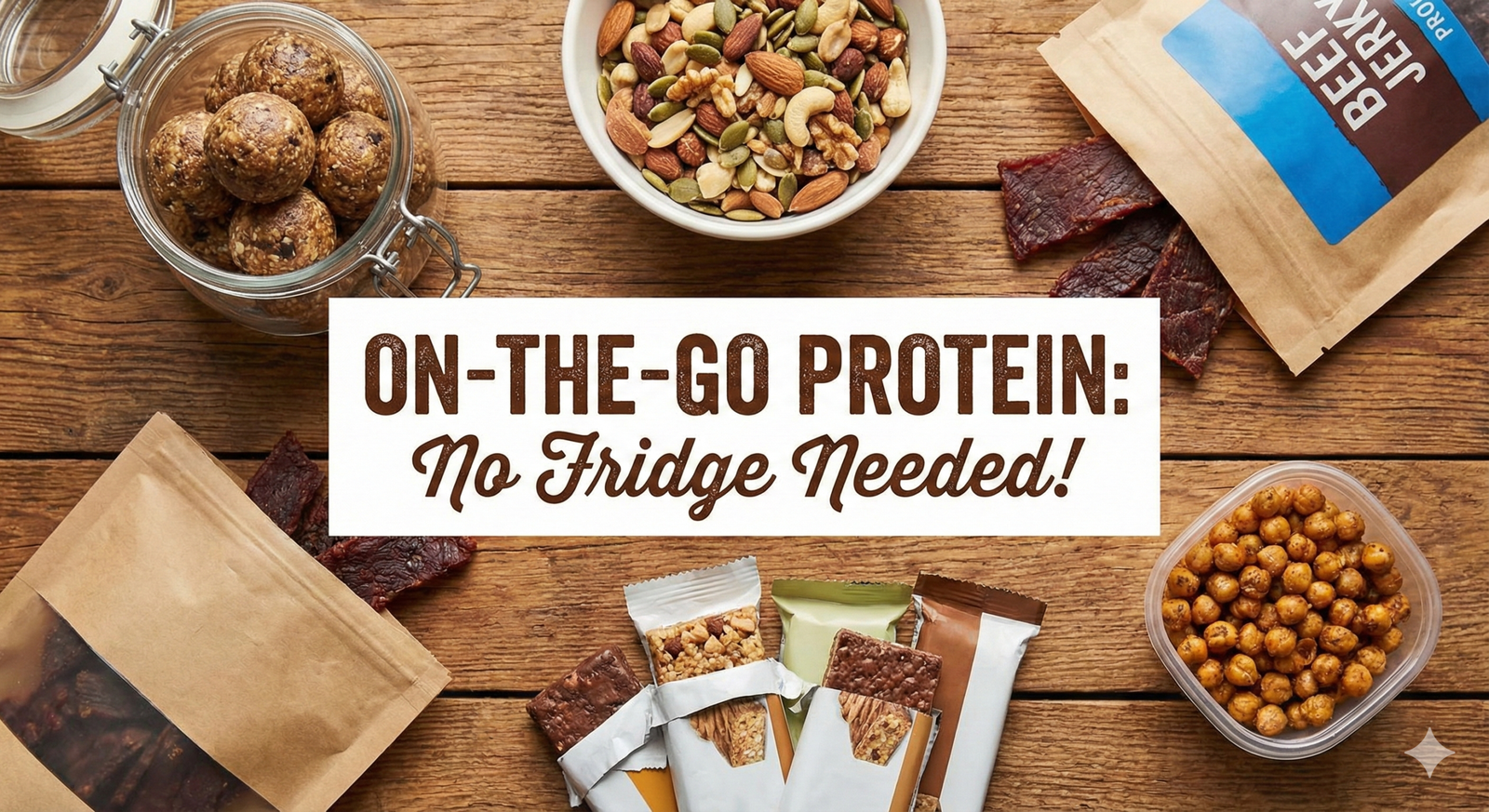
20 Best High-Protein Snacks That Don’t Need Refrigeration
Whether you are stuck in back-to-back meetings, hiking up a mountain, enduring a long flight, or road-tripping across state lines, hunger rarely waits for a convenient time. The challenge isn’t just finding food; it’s finding quality fuel that won’t spoil in your bag, won’t spike your blood sugar and crash you, and will actually keep you full until your next real meal.
Relying on vending machines often leads to a sugar crash within 45 minutes and leaves you more fatigued than before. Carrying perishable snacks requires ice packs and cooler management that simply isn’t practical for most daily routines. The solution is shelf-stable protein—snacks that pack a genuine metabolic punch, survive room temperature storage for months, and deliver the sustained satiety that keeps you productive and energized.
In this guide, we have curated the 20 best non-refrigerated protein options across five major categories: meat snacks, canned seafood, nuts and nut butters, protein bars and cookies, and crunchy legumes. Each is evaluated on protein density, ingredient quality, taste, portability, and overall value. We’ve also added comprehensive sections on nutrition science, diet-specific options, storage guides, meal plans, and myth-busting—everything you need to make these snacks a permanent part of your smart nutrition strategy.
Why Protein Matters for Snacking (The Science)
Before diving into the products, understanding why protein is the ideal macronutrient for between-meal snacking helps you make smarter choices in any situation. Most people instinctively reach for carbohydrate-heavy snacks—crackers, chips, granola bars—because they are convenient and familiar. But this habit often creates a blood sugar rollercoaster that drives hunger, fatigue, and overeating at the next meal.
Satiety and the Thermic Effect
Protein is the most satiating macronutrient by a significant margin. It stimulates the release of satiety hormones including GLP-1 (glucagon-like peptide-1), PYY (peptide YY), and CCK (cholecystokinin), while simultaneously suppressing the hunger hormone ghrelin. A snack providing 15-20g of protein can reliably suppress appetite for 2-3 hours, compared to a carbohydrate-heavy snack of equivalent calories that might satisfy for only 30-60 minutes.
Protein also has the highest thermic effect of food (TEF) of any macronutrient—your body burns approximately 20-30% of protein calories just in the process of digesting and metabolizing it, compared to 5-10% for carbohydrates and 0-3% for fat. This means a 100-calorie protein snack has an effective net caloric impact of 70-80 calories. For people managing their weight, this thermogenic advantage is significant when multiplied across multiple snacks per week.
Muscle Protein Synthesis Between Meals
Every 3-4 hours, your body enters a state of net muscle protein breakdown if it hasn’t received amino acids—the building blocks of muscle tissue. This is particularly relevant for active individuals, athletes, and older adults managing age-related muscle loss (sarcopenia). High-protein snacks between meals maintain a positive nitrogen balance throughout the day, stimulating muscle protein synthesis (MPS) and preventing the catabolic state that accumulated protein loss over time. Even sedentary individuals benefit: adequate protein distribution across meals and snacks is associated with better body composition, stronger immune function, and better metabolic health markers.
Blood Sugar Stability and Cognitive Performance
When you eat protein without a large carbohydrate load, blood glucose rises minimally and remains stable for an extended period. This prevents the post-snack insulin spike and crash that impairs focus, decision-making, and mood. For people who need to perform cognitively throughout the day—professionals, students, anyone who needs to stay mentally sharp—this stable glycemic response from protein snacking is directly linked to sustained cognitive performance. The combination of protein plus fat (as in nuts, nut butters, or cheese crisps) produces the most stable post-snack blood glucose response of any macronutrient combination.
How Much Protein Do You Actually Need?
The outdated RDA of 0.8g of protein per kilogram of body weight was calculated as a minimum to prevent deficiency, not an amount to optimize health. Current research from sports nutrition and gerontology fields consistently recommends 1.6-2.2g per kg of body weight for active individuals, and 1.2-1.6g per kg for sedentary adults seeking to maintain muscle mass and metabolic health. For a 70kg (154 lb) person, this translates to 112-154g of protein daily. Since most people struggle to reach this through main meals alone, high-protein snacks play a critical role in filling the gap.
The 20g Threshold Rule
Research suggests that approximately 20-40g of protein per serving optimally stimulates muscle protein synthesis (MPS) in most adults. Snacks providing less than 10g contribute less meaningfully to MPS but still support satiety and blood sugar stability. When possible, aim for snacks in the 10-20g protein range for the greatest overall benefit per calorie consumed.
Who Needs Non-Refrigerated Protein Snacks?
Shelf-stable protein snacks aren’t just for survivalists and outdoor enthusiasts. They serve an enormous range of modern lifestyles where refrigeration is unavailable, inconvenient, or impractical.
Frequent Travelers
Airport food is nutritionally abysmal and expensive. A bag of quality protein snacks means never being forced into a sugar-heavy airport meal deal.
Athletes & Gym-Goers
Post-workout protein timing matters. Having jerky or a quality bar in your gym bag ensures you hit the anabolic window without rushing to find food.
Desk Workers & Professionals
Drawer snacks that sustain focus through afternoon slumps without a sugar crash. Protein snacks outperform office vending machine options categorically.
Hikers & Campers
Every gram of pack weight counts. Jerky and pouched fish offer the best protein-to-weight ratio of any food, making them essential trail fuel.
Road Trippers
Service station food is expensive and poor quality. A well-stocked cooler bag of shelf-stable protein means avoiding both overpriced gas station snacks and fast food drive-throughs.
Students
Dorm rooms and campus life rarely allow easy food prep. Protein snacks in a desk drawer support sustained study sessions without the library junk food run.
Preppers & Emergency Planning
A 3-month emergency food supply should include high-quality protein. Jerky, canned fish, and sealed nut butters are critical for nutritional completeness.
Parents On the Go
School pickup, after-school sports, pediatrician appointments—non-refrigerated protein snacks keep both parents and kids fueled between the endless commitments.
Trades & Field Workers
Construction sites, field locations, and physical labor demand real protein to sustain energy. Jerky and nuts are perfect for toolbox snack storage.
1. Jerky, Biltong & Meat Sticks
Dried meat is the original survival food—humans have been preserving protein through drying and smoking for thousands of years across nearly every culture. Modern options have moved dramatically beyond the salty, tough leather of the past. Today you can find grass-fed beef, antibiotic-free turkey, wild-caught salmon, and even bison and venison jerky, with vastly improved textures and sophisticated flavor profiles.
Why it works: Meat-based jerky provides a complete amino acid profile—all nine essential amino acids your body cannot produce—making it a genuinely superior protein source compared to most plant alternatives. It is extremely low in carbohydrates, making it ideal for keto, paleo, and low-carb dieters. The drying process concentrates protein, meaning a small 28g (1oz) serving can provide 9-16g of protein.
Jerky vs. Biltong: What’s the Difference?
Jerky is typically made by marinating meat in a liquid mix and then smoking or dehydrating it at heat. This process can introduce sugars from marinades and sodium from soy sauce-based recipes. Biltong, which originated in South Africa, is air-dried in thin strips using only vinegar, salt, and spices—no heat, no marinade. The result is a more tender, less chewy product with a cleaner ingredient list, typically zero sugar, and a higher protein concentration per gram. For health-conscious buyers, biltong is often the superior choice.
Look For
Grass-fed options, sodium under 400mg per serving, and zero added sugar. Short ingredient lists with recognizable items only.
Avoid
MSG, sodium nitrite, “teriyaki” or “honey” flavors loaded with syrup, and “mechanically separated” meats or fillers.

1. Chomps Grass-Fed Beef Sticks
10g of protein per stick, 0g sugar, and no fillers. Made from 100% grass-fed and grass-finished beef with no antibiotics. Individually wrapped—perfect for pockets, drawers, and gym bags.
Check Price on Amazon
2. Country Archer Turkey Jerky
A softer, more tender alternative to beef. Made from antibiotic-free birds with minimal sugar. Ideal for those reducing red meat intake while maintaining protein quality.
Check Price on Amazon
3. Stryve Biltong
Air-dried rather than smoked, producing a tender texture without sugary marinades. An impressive 16g of protein per serving, zero sugar, and a clean five-ingredient label.
Check Price on Amazon
4. Epic Venison Sea Salt & Pepper Bar
For those who want variety, venison offers a leaner, gamier profile with outstanding nutrient density. 100% grass-fed with 12g of protein and minimal sodium.
Check Price on Amazon2. Canned Fish & Pouches
Forget the can opener image. Modern foil pouches of tuna, salmon, mackerel, and sardines are sleek, tear-open convenient, and represent one of the most nutritionally complete portable foods available anywhere. They combine complete protein with beneficial Omega-3 fatty acids (EPA and DHA), Vitamin D, B12, selenium, and iodine—nutrients that are difficult to obtain from most snack foods.
The “tinned fish” (also called “conservas”) movement has also elevated canned seafood from convenience food to a genuinely gourmet product category. High-quality producers now offer fish packed in extra virgin olive oil, with sea salt and herbs, creating products that taste exceptional eaten directly from the container.
Mercury and Sustainability: Choosing Responsibly
Not all canned fish is equal from a health standpoint. Large, long-lived fish like albacore tuna bioaccumulate mercury more than smaller, shorter-lived species like skipjack tuna, sardines, mackerel, and salmon. Pregnant women, nursing mothers, and young children should specifically choose light tuna or sardines over albacore. Third-party mercury testing (as done by brands like Safe Catch) provides additional safety assurance. For sustainability, look for MSC (Marine Stewardship Council) certification, which indicates the fish was caught using responsible, well-managed fishing practices.

5. Safe Catch Elite Wild Tuna Pouch
Every fish individually mercury tested—the strictest quality standard in the industry. No draining required. Simply tear and eat for a 20g protein hit with naturally occurring Omega-3s.
Check Price on Amazon
6. Wild Planet Wild Sardines
A nutritional powerhouse: 18g of protein, a massive calcium hit from edible bones, and best-in-class Omega-3 content. Packed in extra virgin olive oil for flavor and healthy fats.
Check Price on Amazon
7. StarKist Wild Pink Salmon
A milder alternative to tuna with 15g of protein per pouch. Naturally lower in mercury than albacore tuna. Great for topping rice crackers or eating directly from the pouch.
Check Price on Amazon
8. Freshé Gourmet Tinned Meals
Beyond plain fish—complete mini-meals like Aztec Ensalada with tuna, beans, corn, and peppers. High protein, genuinely delicious, and no utensils required for the pouch version.
Check Price on Amazon3. Nuts, Seeds & Nut Butters
For plant-based eaters, nuts and seeds are the holy grail of shelf-stable protein. Pumpkin seeds (pepitas), almonds, walnuts, and hemp seeds offer a combination of protein, fiber, and healthy fats that stabilizes blood sugar, supports cardiovascular health, and satisfies hunger in a way that few other portable foods can match.
The key challenge with nuts is caloric density—a cup of almonds contains over 800 calories and it’s very easy to eat a cup of almonds without noticing. Portion-controlled packaging solves this problem elegantly. Individually sealed packets of 100-200 calories allow you to get the protein and fat benefits of nuts without accidentally consuming an entire meal’s worth of calories in five minutes.
Nuts vs. Seeds: Key Nutritional Differences
Nuts (almonds, cashews, walnuts, pistachios) are higher in monounsaturated fats and generally provide 4-8g of protein per ounce. Seeds (pumpkin, hemp, sunflower) are often higher in protein per gram—pumpkin seeds offer nearly 9g of protein per ounce—and tend to be richer in minerals like magnesium, zinc, and iron. Hemp seeds are noteworthy for containing all nine essential amino acids, making them the rare plant food with a genuinely “complete” protein profile comparable to meat or eggs.

9. RX Nut Butter Packets
Almond butter blended with egg whites for extra protein (9g total). Knead the packet, tear the top, and squeeze. No mess, no spoon required—perfect for on-the-go eating.
Check Price on Amazon
10. Blue Diamond Almond Packs
Portion control is the key to making nuts work as a healthy snack. These 100-calorie packs deliver 4-6g of protein and healthy monounsaturated fats without overeating risk.
Check Price on Amazon
11. Terrasoul Superfoods Pumpkin Seeds
Pepitas are the king of seed protein at nearly 9g per ounce. Also rich in magnesium, zinc, and plant-based iron. Excellent for immune health and blood sugar balance.
Check Price on Amazon
12. Justin’s Peanut Butter Squeeze Packs
Classic peanut butter in a travel-ready pouch. 7g of protein with only two ingredients: peanuts and palm oil. Pairs perfectly with any fruit or eaten straight from the pack.
Check Price on Amazon4. Protein Bars & Cookies
The protein bar market is enormous and unfortunately filled with products that are, nutritionally speaking, glorified candy bars with a marketing makeover. However, if you choose correctly, a protein bar is one of the most convenient single-serve protein deliveries available—no packaging to open, no residue, and a consistent macronutrient profile you can plan meals around.
How to Read a Protein Bar Label
The three numbers to check are: protein grams (aim for 10g+), added sugar grams (ideally under 8g, red flag above 15g), and fiber grams (4g+ slows digestion and blunts glycemic response). Also scan the protein source: whey isolate and egg white are complete proteins with high bioavailability. Pea protein and brown rice protein are common plant-based options that are individually incomplete but combined provide a full amino acid profile. Watch for “protein blend” that lists a long sequence of protein types—these sometimes include cheaper, lower-quality sources like soy protein concentrate to inflate the label number.

13. Quest Nutrition Protein Bars
The industry standard for low-carb, high-protein at 20g protein and high fiber content. Incredibly filling without a sugar crash. Wide flavor variety and widely available.
Check Price on Amazon
14. RXBAR Whole Food Protein Bar
No B.S.—just egg whites, dates, and nuts listed right on the front of the wrapper. 12g of protein, chewy and satisfying, free from artificial sweeteners, and genuinely food-first.
Check Price on Amazon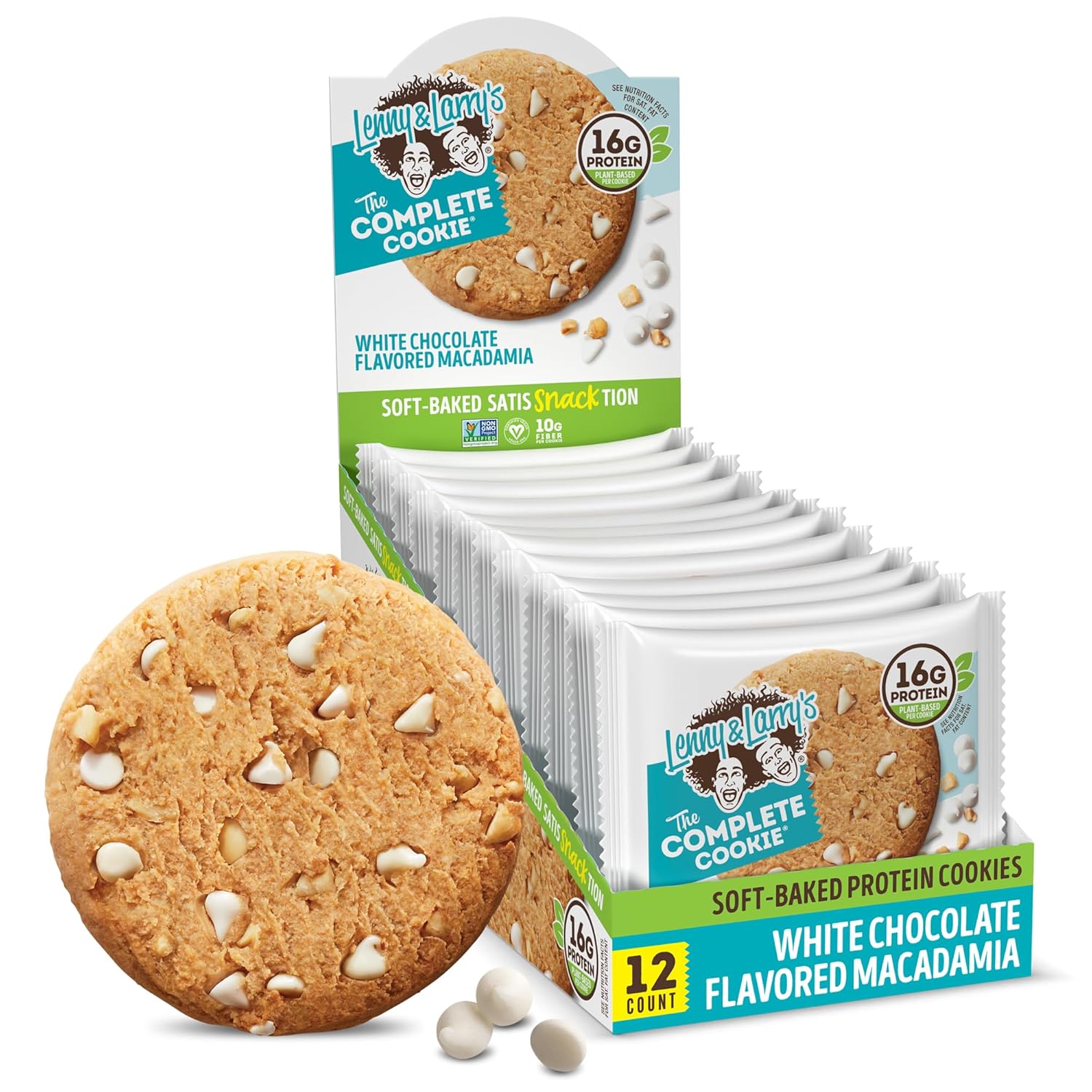
15. Lenny & Larry’s The Complete Cookie
A vegan powerhouse in cookie form. 16g of plant-based protein per cookie, with no dairy or eggs. A satisfying sweet option that genuinely feels like a treat.
Check Price on Amazon
16. GoMacro MacroBars
Certified organic and vegan, with 10-12g of plant protein. Slightly higher in natural sugar from brown rice syrup, but excellent texture and genuinely whole-food ingredients.
Check Price on Amazon5. Crunchy Beans, Cheese Crisps & Legumes
Roasted chickpeas, fava beans, and edamame have exploded in popularity for one simple reason: they scratch the itch for a “crunchy, salty snack” like chips or crackers while providing substantial fiber, plant protein, and resistant starch that feeds beneficial gut bacteria. They represent the best intersection of snack enjoyment and genuine nutrition. Dried cheese crisps occupy a separate but equally compelling niche for low-carb, high-protein snacking.
The Fiber Advantage
Unlike jerky and cheese crisps, legume-based snacks provide significant dietary fiber—typically 4-8g per serving. Dietary fiber slows gastric emptying (extending satiety), feeds the gut microbiome, reduces post-meal blood glucose, and is protective against cardiovascular disease. The combination of protein and fiber in roasted legumes creates one of the most satiating snack profiles per calorie of any food on this list. For people whose dietary protein comes heavily from animal sources, legume snacks provide a valuable opportunity to diversify and support gut health simultaneously.

17. Biena Chickpea Snacks
6g of protein and 6g of fiber per serving. Vegan, grain-free, and delightfully crunchy. The sea salt variety is versatile enough to pair with guacamole, hummus, or eaten straight from the bag.
Check Price on Amazon
18. Whisps Parmesan Cheese Crisps
Made from 100% aged parmesan baked into an airy, crunchy crisp. Shelf-stable, keto-friendly, zero carbs, and 10-13g of protein per serving. A satisfying chip replacement.
Check Price on Amazon
19. The Only Bean Roasted Edamame
Edamame is nutritionally superior to chickpeas for protein—14g per serving and a complete amino acid profile (rare for a plant food). Incredibly crunchy with a clean, natural flavor.
Check Price on Amazon
20. Bada Bean Bada Boom
Broad beans (fava beans) with a lighter, airier crunch than chickpeas. Fun flavors like Sweet Sriracha and Rockin’ Ranch, with 7g of protein and an excellent fiber-to-carb ratio.
Check Price on AmazonFull Nutrition Comparison: All 20 Snacks Ranked
Use this quick-reference table to compare protein content, approximate caloric range, and key diet compatibility across all 20 snacks on the list.
| # | Snack | Protein (approx.) | Keto? | Vegan? | Gluten-Free? |
|---|---|---|---|---|---|
| 1 | Chomps Grass-Fed Beef Sticks | 10g | Yes | No | Yes |
| 2 | Country Archer Turkey Jerky | 11g | Yes | No | Yes |
| 3 | Stryve Biltong | 16g | Yes | No | Yes |
| 4 | Epic Venison Bar | 12g | Yes | No | Yes |
| 5 | Safe Catch Elite Tuna Pouch | 20g | Yes | No | Yes |
| 6 | Wild Planet Sardines | 18g | Yes | No | Yes |
| 7 | StarKist Wild Salmon | 15g | Yes | No | Yes |
| 8 | Freshé Gourmet Tinned Meals | 13g | No | No | Yes |
| 9 | RX Nut Butter | 9g | Yes | No | Yes |
| 10 | Blue Diamond Almond Packs | 6g | Yes | Yes | Yes |
| 11 | Terrasoul Pumpkin Seeds | 9g | Yes | Yes | Yes |
| 12 | Justin’s Peanut Butter | 7g | Yes | Yes | Yes |
| 13 | Quest Protein Bar | 20g | Yes | No | Yes |
| 14 | RXBAR | 12g | No | No | Yes |
| 15 | Lenny & Larry’s Cookie | 16g | No | Yes | No |
| 16 | GoMacro MacroBar | 11g | No | Yes | Yes |
| 17 | Biena Chickpea Snacks | 6g | No | Yes | Yes |
| 18 | Whisps Cheese Crisps | 13g | Yes | No | Yes |
| 19 | The Only Bean Edamame | 14g | No | Yes | Yes |
| 20 | Bada Bean Bada Boom | 7g | No | Yes | Yes |
Sample Snack Meal Plans: Real-World Applications
Knowing which snacks exist is one thing—knowing how to integrate them strategically into your day is another. Here are sample snack protocols for four common real-world scenarios.
🏢 Office Worker — Beating the Afternoon Slump
10:30 AM (mid-morning): Blue Diamond Almond Pack (100 calories, 6g protein) — prevents pre-lunch hunger without spoiling appetite.
3:00 PM (afternoon): Safe Catch Tuna Pouch with rice crackers (20g protein) — the highest-protein option available for sustained afternoon focus and blood sugar stability through end of day.
Daily protein from snacks: ~26g — enough to meaningfully contribute to daily protein targets without requiring meal prep.
🏔️ Hiker / Day Tripper — Trail-Ready Fuel
Pre-trail (morning): Justin’s Peanut Butter Squeeze Pack with a banana (7g protein, fast carbs for energy).
Mid-trail snack: Stryve Biltong (16g protein, zero sugar, lightweight, doesn’t melt) + Blue Diamond Almonds (6g protein, healthy fats for sustained energy).
Post-hike recovery: Quest Bar (20g protein) — the leucine-rich protein profile supports muscle repair after a demanding physical day.
Daily protein from snacks: ~49g — a significant contribution to the 1.6-2g/kg recommendation for active individuals.
✈️ Frequent Flyer — Airport & In-Flight Survival
Pre-flight (pack these): 2x Chomps Beef Sticks (20g protein total), 1x RXBAR (12g protein), 1x Justin’s Almond Butter (7g protein).
Total carry-on protein: 39g across 3 snack events covering a 6+ hour travel day.
Why this works: All items pass TSA liquid rules (nut butter packets under 3.4oz), none require refrigeration, and all survive the temperature fluctuations of overhead baggage.
🌱 Vegan Athlete — Plant-Based Power Day
Pre-workout: The Only Bean Roasted Edamame (14g complete protein, complex carbs for sustained exercise energy).
Post-workout: Lenny & Larry’s Complete Cookie (16g protein, fast carbs to replenish glycogen).
Afternoon: Bada Bean Bada Boom (7g protein) + Terrasoul Pumpkin Seeds (9g protein) for mineral density.
Daily protein from snacks: ~46g fully vegan — demonstrating that plant-based athletes can meet protein needs from shelf-stable sources alone.
Best Snack by Specific Use Case
Best for Highest Protein Per Serving
Winner: Safe Catch Elite Tuna Pouch (20g) or Quest Bar (20g). The tuna pouch wins on caloric efficiency—20g of protein for approximately 80-90 calories. The Quest Bar delivers the same protein but with more calories (around 200) and greater satiety from fiber.
Best for Keto/Low-Carb Dieters
Winner: Stryve Biltong or Whisps Cheese Crisps. Both are zero to negligible carbohydrates while offering impressive protein content. Biltong is leaner; Whisps provides protein plus fat for a more ketogenic macronutrient profile. Combining both in a single sitting creates a near-perfect ketogenic snack combination.
Best for Vegans
Winner: The Only Bean Roasted Edamame. With 14g of complete protein (edamame contains all nine essential amino acids) and no animal products, it delivers the most protein per serving of any plant-based snack on this list. A close second is Lenny & Larry’s Complete Cookie for those wanting a satisfying sweet-format vegan protein option.
Best for Ultralight Backpacking
Winner: Chomps Beef Sticks or Stryve Biltong. The protein-to-weight ratio of dehydrated meat is unmatched. Biltong in particular has very low moisture content (higher than jerky), providing the most protein per gram of total food weight—critical when every ounce of pack weight matters over a multi-day route.
Best for Children
Winner: Justin’s Peanut Butter Squeeze Packs or GoMacro MacroBars. Both are free from artificial sweeteners (which some parents prefer to avoid in children’s diets), have familiar and appealing flavors, and provide moderate protein alongside natural ingredients. RXBAR also markets a kids version that is appropriate for older children.
Best for Omega-3 Content
Winner: Wild Planet Sardines. No shelf-stable snack on any list competes with sardines for Omega-3 density. A single 3.75 oz can provides approximately 1,000-1,800mg of combined EPA and DHA—exceeding the daily omega-3 recommendations in a single snack. This makes sardines one of the most complete nutritional investments per dollar available in any food category.
The One Snack Rule
If you could only choose one snack from this entire list to keep on hand at all times, we recommend the Safe Catch Tuna Pouch. It provides the highest protein per calorie, contains Omega-3s for brain and heart health, is keto and gluten-free compatible, requires no preparation, and has the longest shelf life of any option on the list. It is the most nutritionally complete portable snack available.
Options by Diet Type: Your Personalized List
Keto & Low-Carb
Focus on: Beef sticks (Chomps), Biltong (Stryve), Epic Bars (venison/bison), all fish pouches, Whisps Cheese Crisps, pumpkin seeds, almonds, and Quest Bars. Avoid: chickpea and bean snacks (higher in carbs), most protein cookies, and GoMacro bars. The key rule for keto snacks: protein + fat, minimal carbs.
Paleo
Paleo emphasizes whole, unprocessed foods without grains, legumes, or dairy. Best paleo picks from this list: Chomps Beef Sticks, Stryve Biltong, Epic Bars, all fish pouches, RX Nut Butter (check egg white ingredient), and RXBAR. Avoid: Quest Bars (dairy and artificial sweeteners), Whisps (dairy), Lenny & Larry’s (grains), and all legume-based crunchy snacks.
Vegan & Plant-Based
Top vegan options: The Only Bean Edamame, Biena Chickpeas, Bada Bean Fava Beans, Terrasoul Pumpkin Seeds, Blue Diamond Almonds, Justin’s Peanut Butter, Lenny & Larry’s Complete Cookie, and GoMacro MacroBars. For the highest protein intake as a vegan, rotate between edamame (complete protein), pumpkin seeds (mineral-rich), and protein cookies to hit daily protein targets.
Gluten-Free
Virtually all snacks on this list are naturally gluten-free, with the exception of Lenny & Larry’s Complete Cookie (contains wheat flour) and some jerky brands that use soy sauce (which contains wheat) in marinades. When in doubt for those with celiac disease or serious gluten sensitivity, look specifically for a “Certified Gluten-Free” seal on the packaging, not just “gluten-free” claims, which are self-reported.
Nut-Free (Allergy-Friendly)
For individuals with tree nut or peanut allergies, the safest options are: all meat jerky and biltong, all fish pouches, Whisps Cheese Crisps, Biena Chickpeas, Bada Bean Fava Beans, and The Only Bean Edamame. Quest Bars are manufactured in facilities that also process nuts—those with severe allergies should check current manufacturing labels directly.
High-Protein for Seniors (Sarcopenia Prevention)
Older adults have a specific condition called “anabolic resistance”—they require more protein per serving to achieve the same muscle protein synthesis response as younger adults. The research-backed threshold is approximately 40g of protein per meal/snack for adults over 65, compared to 20-25g for younger adults. For seniors, the highest-protein options deserve priority: tuna pouches, sardines, Quest Bars, and biltong. The goal should be a protein-containing snack every 3-4 hours to maintain muscle mass against age-related decline.
Storage & Shelf Life: The Complete Guide
Understanding how different shelf-stable proteins behave under real-world storage conditions—temperature, humidity, light exposure—helps you maximize both safety and quality.
Optimal Storage Conditions
The enemy of shelf stability for all foods is heat, moisture, oxygen, and light. A cool, dark, dry cabinet or pantry shelf (ideally 60-70°F / 15-21°C) is the optimal storage environment. Avoid storing snacks in cars exposed to direct sun, in outdoor bags subject to weather changes, or in humid environments like gym locker rooms. While most shelf-stable snacks will survive occasional temperature spikes, sustained heat exposure accelerates oxidation of fats (particularly in nuts and nut butters), degrades protein quality in fish pouches, and can cause chocolate coatings on bars to bloom and separate.
Shelf Life by Category
- Jerky and meat sticks (commercially packaged, sealed): 12-24 months unopened. Once opened, consume within 3 days at room temperature or store in the refrigerator for up to 1 week.
- Canned fish (steel cans): 2-5 years unopened. Fish pouches: 1-3 years. Once opened, consume immediately for pouches; canned fish should be transferred to a sealed container and refrigerated for up to 3 days.
- Nuts (sealed bags or cans): 6-12 months at room temperature. The high oil content makes nuts susceptible to rancidity after opening, particularly in warm climates. Refrigeration or freezing extends shelf life significantly for large quantities.
- Nut butter packets: 12-18 months unopened at room temperature. The individual single-serve format is highly stable as the small volume limits air exposure per use. Once opened, consume immediately.
- Protein bars: 6-18 months depending on moisture content and preservatives. RXBAR and GoMacro with fewer preservatives tend toward the shorter end; Quest Bars with more complete sealing typically last closer to the 18-month range.
- Roasted legumes and cheese crisps: 6-12 months. Very low moisture content makes them among the most stable snacks. Watch for staleness (loss of crunch) rather than safety concerns—stale crisps are still safe to eat.
The Car Snack Question
This is one of the most common questions about shelf-stable snacks. Jerky, nuts, roasted beans, and cheese crisps are genuinely heat-resistant and safe to leave in a car at temperatures up to about 95-100°F (35-38°C) for short periods. Chocolate-coated or chocolate-containing protein bars will melt at temperatures above 80°F (27°C) and are not suitable for extended car storage in warm climates. Fish pouches kept sealed will not spoil in heat, but quality and flavor degrade faster with heat cycling. For year-round car storage, stick to the jerky, nut, and legume categories.
Emergency Food Supply Note
If building a 72-hour or 3-month emergency food supply, the best shelf-stable proteins are steel-can sardines and salmon (2-5 year shelf life), vacuum-sealed jerky (18-24 months), and factory-sealed nut butter jars (18-24 months). Label all items with the purchase date and rotate stock using the FIFO (first in, first out) method—consuming the oldest items first and replacing them when restocking.
Common Myths About Non-Refrigerated Protein Snacks
“Canned fish smells bad and tastes terrible.”
Cheap, oxidized fish in water can taste poor. Quality sardines or salmon in extra virgin olive oil from brands like Wild Planet are genuinely delicious—a completely different experience.
Quality matters enormously for canned seafood taste
The tinned fish movement has elevated conservas into a gourmet product category. Wild-caught fish packed in quality oil by reputable brands is one of the best-tasting portable foods available.
“Protein bars are just candy bars with marketing.”
Some are. But RXBAR, Quest Bars with whole food protein sources and high fiber content, and GoMacro with organic ingredients are genuinely different from candy bars in macronutrient profile.
Learn to read labels—the difference is measurable
A candy bar has 5-8g of protein and 30g+ sugar. A quality protein bar has 12-20g protein, under 8g sugar, and 4g+ fiber. These differences have real and significant metabolic consequences.
“Plant protein is inferior—you need meat for real protein.”
This oversimplifies protein quality. Edamame and hemp seeds contain complete protein profiles. Combining legumes with seeds provides all essential amino acids at adequate ratios.
Plant protein sufficiency is achievable with variety
Research shows vegan athletes can achieve optimal muscle protein synthesis by consuming sufficient total protein with variety across the day. The key is total daily quantity and amino acid completeness, not source exclusivity.
“Eating nuts makes you gain weight.”
Multiple long-term studies show that regular nut consumption is actually associated with lower BMI and less weight gain over time, not more, despite their caloric density.
Nuts are associated with better weight management
The fat and fiber in nuts slows digestion and promotes satiety. Additionally, some fat from nuts is not fully absorbed—about 5-15% of nut calories pass through unabsorbed, reducing their effective caloric impact.
Buyer’s Guide: How to Choose Healthy Shelf-Stable Snacks
1. The Protein-to-Calorie Ratio
Aim for at least 10g of protein for every 150-200 calories. If a bar has 250 calories but only 6g of protein, it’s an energy bar, not a protein snack. Tuna pouches and biltong represent the extreme efficiency end of this ratio; nuts and nut butters are on the lower end (more caloric fat relative to protein content).
2. Watch the Sodium
Shelf-stable foods often rely on salt for preservation. If you are watching your blood pressure or consuming multiple high-protein snacks per day, sodium accumulation is worth monitoring. A single serving of jerky can contain 400-600mg of sodium—20-25% of the daily recommended limit. Opt for “low sodium” varieties or rotate with unsalted nuts or legume snacks to balance your daily intake.
3. Minimal, Recognizable Ingredients
Can you pronounce everything on the label? The ingredient list on RXBAR reads: “3 Egg Whites, 6 Almonds, 4 Cashews, 2 Dates, Natural Flavors.” That is exceptional. The ingredient list on a budget “protein bar” might be 35 items long. Shorter ingredient lists generally indicate less processing, fewer additives, and better overall nutritional quality. Whole food ingredients (real nuts, real meat, real fish) process more slowly in the body, sustaining energy levels longer than fragmented protein isolates and concentrated sugars.
4. Protein Source Quality
Not all protein sources are bioequivalent. The Digestible Indispensable Amino Acid Score (DIAAS) is the most accurate modern measure of protein quality. Animal proteins (whey, egg, meat, fish) consistently score 1.0 or above—meaning they provide all essential amino acids at or above the requirements for human nutrition. Most plant proteins score below 1.0 individually, though combinations can compensate. For snacks, prioritize complete proteins (meat, fish, eggs) or plant-based snacks that combine multiple sources (edamame, which is naturally complete, or combinations of legumes and seeds).
5. Sugar Alcohols: The Hidden Gut Disruptor
Many low-carb protein bars sweeten with sugar alcohols like erythritol, xylitol, maltitol, or sorbitol. These are not fully absorbed by the small intestine and pass to the large intestine where gut bacteria ferment them, often producing significant gas, bloating, and diarrhea—particularly maltitol, which has a pronounced laxative effect at the doses found in some bars. Erythritol is the most gut-friendly sugar alcohol (over 90% absorbed before reaching the colon) and is the best choice if you react poorly to other sugar alcohols. If you have a sensitive digestive system, RXBAR and GoMacro bars that use natural sweeteners from dates and fruit are the most reliably gut-gentle options.
The Smart Snack Drawer Setup
The most effective way to use this guide: build a “snack station” at your desk or in your kitchen cabinet with one option from each category. A rotation of jerky, a tuna pouch, almonds, a protein bar, and roasted edamame gives you five different nutrient profiles, diet-friendly options for any guest or family member, and never lets you get bored. Stock 2-3 of each item so you always have backup.